UAE Non-Oil Trade: Indicators Worth Watching
A look at the kinds of indicators analysts commonly follow when judging non-oil trade, and how to read them without over-interpreting a single release.
Demonstration content. This article is sample editorial copy for site development. It is not verified news, legal advice or professional guidance.
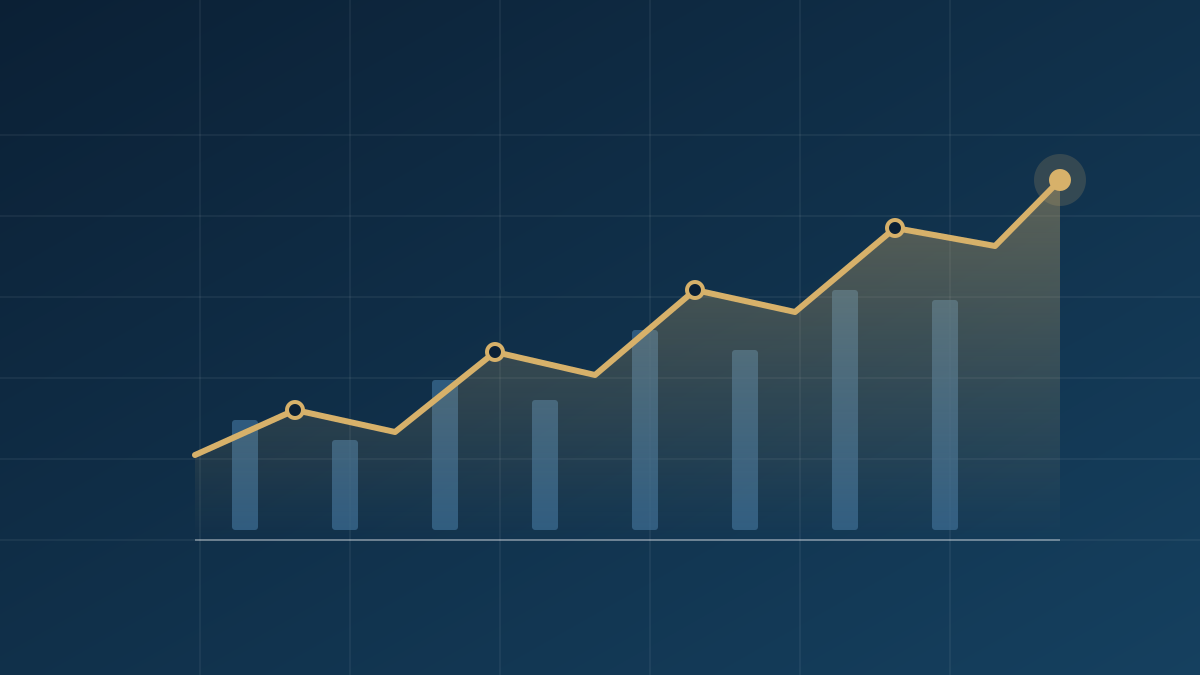
Discussion of non-oil trade often centres on a few headline figures, yet a single number rarely tells the full story. Business owners, analysts and journalists tend to look at a set of indicators together, watching how they move over time rather than reacting to one release. This article describes the types of indicators commonly followed and some habits that make them easier to interpret. It does not report any current figures.
Why one data point is not enough
Trade statistics are affected by timing, revisions and seasonal patterns. A large shipment recorded in one period can make the next period look weak by comparison. Looking at trends across several periods, and checking whether earlier figures were later revised, gives a steadier picture than any single release.
Indicators that are commonly followed
- Value of goods imported, exported and re-exported, usually reported by customs or statistics bodies.
- Trading partner mix, which shows how dependent trade is on particular markets.
- Product category mix, such as machinery, metals, food or consumer goods.
- Port and airport throughput, which can signal activity in the physical movement of goods.
- Purchasing managers surveys and similar sentiment measures, which reflect business confidence.
Re-exports deserve separate attention
A trading hub handles goods that pass through as well as goods produced locally. Understanding how a report treats re-exports helps avoid confusing hub activity with domestic production.
Questions to ask of any trade release
- What period does it cover, and is it compared with a like-for-like period?
- Is the figure in current prices or adjusted for inflation or currency movement?
- Which categories drove the change, and were they one-off movements?
- Who published the data, and how is it defined?
Connecting indicators to your own decisions
Macro indicators are context, not instructions. A trader deciding on inventory, a supplier choosing a new route or a company planning an exhibition budget will usually find their own order book, lead times and customer conversations matter more. Use the wider data to frame questions, then test them against your own numbers.
This is demonstration content prepared to illustrate GlobalTradeUAE's editorial style. It is general guidance, not legal, customs, tax or financial advice, and it does not describe any specific current rule or figure. Always confirm requirements with the competent authority and a qualified adviser.